Table Of Content

When scale and proportion aren’t applied correctly, they can break the flow of a room. Scale and proportion are both vitally important interior design concepts, though understanding the difference between these concepts and how they apply to a space, can cause confusion. To summarise, where proportion is concerned with the size of objects in relation to each other, scale refers to their size in relation to that of the space. When designing a living room, for example, a designer might choose a large sofa and pair it with smaller accent chairs to maintain proportion in the space.
The golden ratio for displaying accessories
Why interior designer Sophie Ashby looks to art for inspiration - Style
Why interior designer Sophie Ashby looks to art for inspiration.
Posted: Sun, 09 Feb 2020 08:00:00 GMT [source]
If scale is the size of the elephant, proportion is the way it relates to the car and the mouse. It’s a balancing act between sizes, making sure everything fits together without squashing the mouse or cramming the elephant. Your rug should be large enough that it goes under the front legs of your furniture. If your sofa measures 84”, you’ll need at least an 8’ x 10’ rug to do this. If something doesn’t feel right, it probably doesn’t have the correct scale or proportion for the space. Rearrange it, remove it or replace it until you achieve the room—and the home—that you desire.
Scale patterns as per the room size
On the other hand, poor lighting can make a room feel cramped, dull, or unwelcoming. Both positive and negative space are essential for creating a balanced and harmonious interior design. Too much positive space can make a room feel cluttered, crowded, or overwhelming.
Scale
Drawing Room at Arts Club of Chicago Draws Miesian Influence - Interior Design - Interior Design
Drawing Room at Arts Club of Chicago Draws Miesian Influence - Interior Design.
Posted: Thu, 25 May 2017 07:00:00 GMT [source]
Mixing patterns of different scales can create a dynamic and interesting space. Like color, pattern can also affect the balance and proportion of a space. Using patterns that are too busy or overwhelming can make a room feel cluttered and unbalanced. On the other hand, using patterns sparingly can create a sense of harmony and balance. A large piece of artwork or a statement light fixture can draw the eye and become the center piece of the space.
The Importance of Scale and Proportion in Interior Design
In the interior design industry, scale and proportion refer to the size of objects. Scale is used to understand the size of objects vis-a-vis other objects or even the space itself. For example, a bed may be measured, keeping an average human body to scale. Emphasis is the use of contrast and focal points to draw attention to certain elements within a room.
Light Proportion
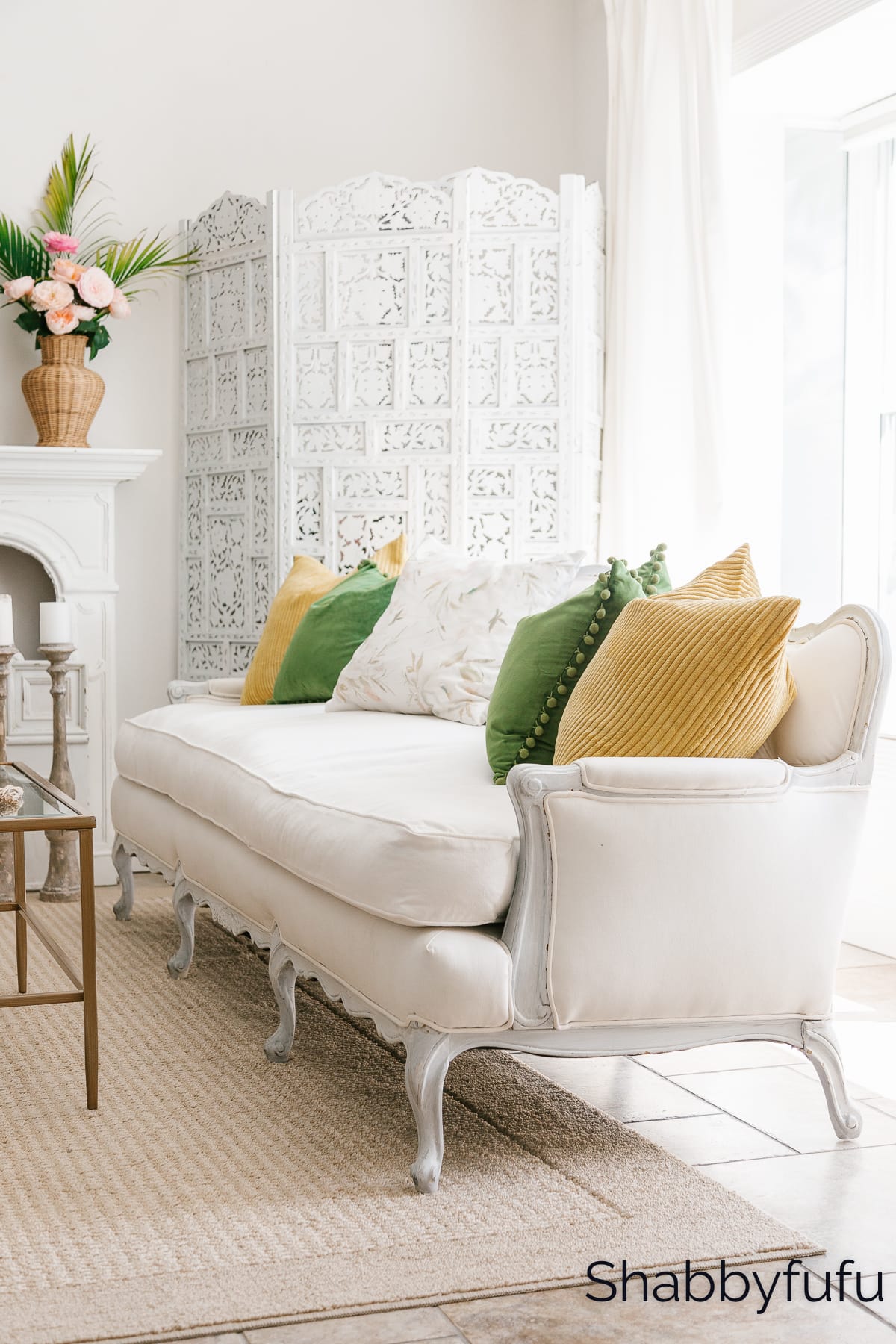
However, when applying the rule of thirds, it’s essential to leave enough white space for the eye to rest. A good rule of thumb is to only place the furniture on two-thirds of the intersection points, leaving the others empty. You may have heard from Havenly designer Lauren Cox about the power of interior design, how to use color, and how to configure a balanced room. Another frequently overlooked, but incredibly important, design principal is scale and proportion. In this article, Lauren explains how scale and proportion create synergy and shares tips on how you can get started.

The house is an early example of the International Style in the United States that evokes principles that were developed by Le Corbusier and Frank Lloyd Wright. Our collaborative design approach develops partnerships across disciplines to create projects that are innovative, practical and cost-effective. It's all about following basic rules related to balance and repetition.
Scale vs. Proportion
Whether it’s doing up small spaces, or a large room, interior designers need to use design tips for proper furniture placement to make the room look adequately proportioned. Remember, when it comes to scale and proportion, it’s not how you fill-up the positive space in a room; it’s how you work on balancing positive and negative areas. Doing so creates a gorgeous layout, that’s more important than filling the interior with objects. Focus on the design of the room – the textures, patterns, styles, colors, etc.- as opposed to focusing on the things that need to be added to the room. Typically, designers use coffee tables or low furniture in a living or dining room space to make it feel grounded.
Use Repeating Patterns to Unify the Space
Furniture is an essential element of interior design, and its proportion plays a crucial role in determining the overall look and feel of a space. When choosing furniture, it is essential to consider its size, shape, and height to ensure that it is in proportion with the rest of the room. Space and proportion are two key concepts that can help you improve your interior design skills. By understanding what they are, why they are important, and how you can use them effectively, you can create beautiful and harmonious interiors that suit your style, purpose, and mood.
This proportion ensures that the coffee table is easy to reach and use. These terms are not always well understood, but they can make all the difference in contributing to your home's warmth and appeal. Scale has to do with the size of an object, how it fits in your space as well as with the other objects around it.
If you're more experienced, perhaps you can bend these rules, but never break them. Proportion is a word often used interchangeably with scale although there is one subtle difference between the two definitions. Scale is the size of an object relative to another object or to the human body. For example, a sofa that is too large for a small room will look out of scale and make the room feel smaller.


No comments:
Post a Comment